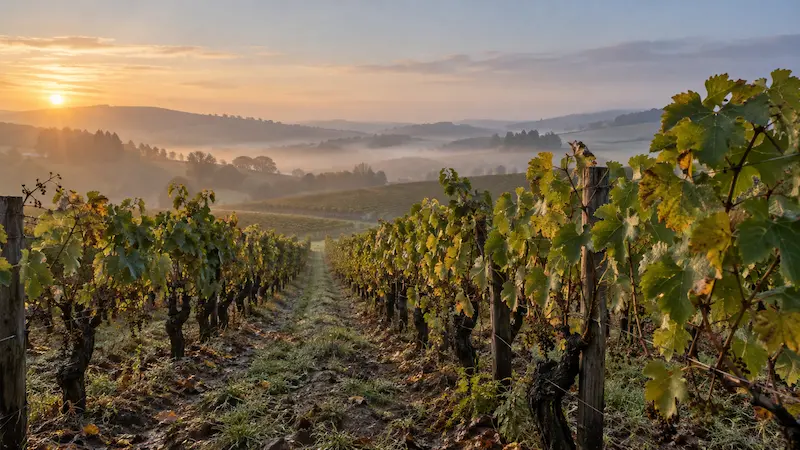
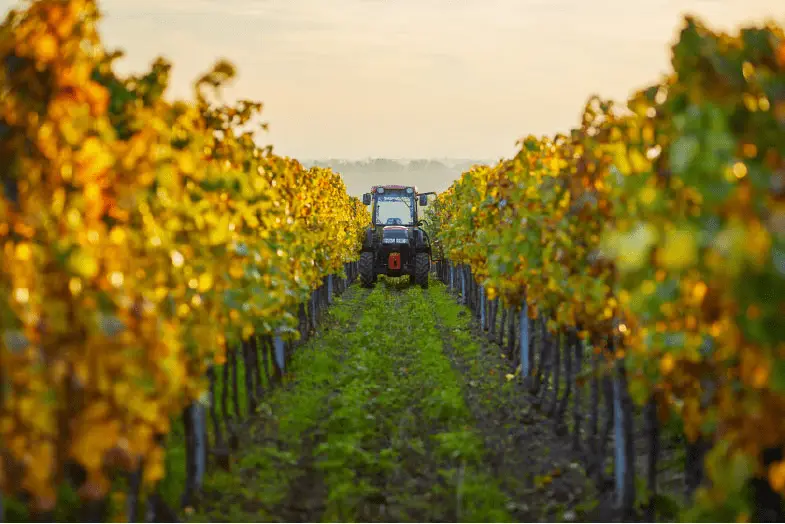
In 2023, the area under organic vines in France reached 171,265 hectares, 77% of it certified and 23% in conversion (source). This growth reflects winegrowers’ increasing commitment to environmentally friendly production methods and a response to growing demand for healthy products. Sales of organic wine also grew by 9.2% in 2023, despite an overall fall in wine consumption (source). These figures show that the organic wine market is booming, both in France and for export, where French products are particularly sought after. The rise of sustainable practices is also driven by consumers who are increasingly concerned about their health and the environmental impact of their food choices (source). Indeed, 54% of Europeans cite respect for the environment as the main reason for preferring organic wine (source). Finally, the export market for French organic wines continues to grow, supporting the momentum of a sector in full transformation (source).
An overview of viticulture in France
French viticulture stands out for its scale and diversity, reflecting a rich heritage:
- Vineyard area: With around 800,000 hectares dedicated to viticulture, France has the second-largest vineyard area in the world, showing how important winegrowing is in the national agricultural landscape.
- Leading producer: In 2023, France consolidated its position as world leader by becoming the largest wine producer, with 45.8 million hectolitres, reflecting its excellence and its ability to adapt to global market demand.
- Diversity of grape varieties: More than 210 grape varieties are grown across the country, although ten of them cover more than 70% of the planted area, showing a preference for certain varieties that have historically done well in French terroirs.
- Organic viticulture: In 2023, organic vineyards reached 171,265 hectares, i.e. 21.7% of the French vineyard. This significant increase reflects the shift towards more ecological and sustainable production methods in response to new consumer expectations and environmental challenges.
- Outlook for 2024: The 2024 harvest is estimated at 37.5 million hectolitres, a significant drop of 22% compared with the previous year and of 15% compared with the 2019/2023 average. This decline may reflect climate challenges or other factors affecting production. (source: agreste)
Faced with fluctuating production and growing expectations around sustainability, French viticulture is showing remarkable resilience. These changes reflect a sector in full transformation, seeking a balance between tradition, innovation and environmental protection.
What are the challenges facing viticulture in France?
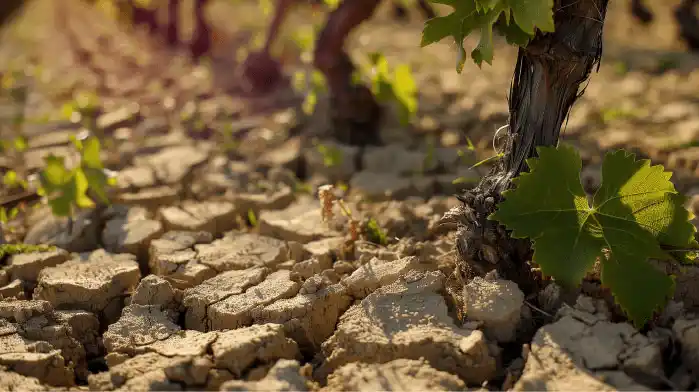
Climate change
Global warming is putting increasing pressure on viticulture, profoundly altering the vine’s natural cycles. Rising temperatures cause earlier ripening of the grapes, which can affect the aromatic balance and quality of the wines. At the same time, irregular rainfall makes water management more complicated, making irrigation less predictable and sometimes insufficient. On top of this come extreme weather events, such as:
- late frosts destroying young buds,
- prolonged droughts, causing water stress and affecting grape quality,
- heatwaves and hailstorms damaging leaves and bunches.
These increasingly frequent conditions directly threaten vineyard yields and health by disrupting budburst, flowering and ripening. Climate change also amplifies pressure from diseases and pests, creating conditions that favour their spread and weakening the vines’ natural defences.
Diseases and pests
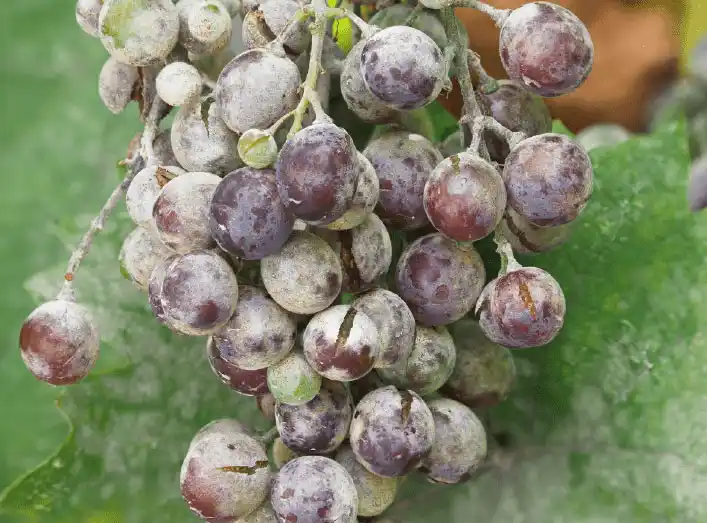
Vines face many diseases and pests, which are major challenges for winegrowers. Among fungal diseases, downy mildew and powdery mildew are the most widespread. These fungi attack leaves and bunches, reducing photosynthesis and directly affecting yields. Grey rot (Botrytis cinerea), for its part, thrives in very humid conditions, destroying grapes and impacting harvest quality.
Grapevine trunk diseases, such as esca, eutypa dieback and black dead arm, cause a gradual decline of the vines, jeopardising the long-term future of vineyards. These diseases are difficult to control and require long-term management strategies.
As for pests, phylloxera, although under control thanks to resistant rootstocks, remains a latent threat. Leafhoppers, particularly Scaphoideus titanus, are also feared because they carry flavescence dorée, a serious and incurable disease that can wipe out entire plots.
To protect vineyard health against these risks, winegrowers need to adopt preventive practices and suitable management tools, while limiting the environmental impact of their interventions.
How can the impact of climate change on vineyards be limited?
Adapting growing practices
1- Optimising leaf removal
When carried out judiciously, leaf removal plays a key role in helping vines adapt to changing climate conditions. With rising temperatures, less intensive leaf removal becomes a strategy for protecting the bunches:
- Reducing sunburn: By keeping some of the leaves, the bunches benefit from natural shade that protects them from direct sunlight. This approach can lower grape temperature by up to 10°C, limiting the risk of burning and loss of quality.
- Water management: Keeping more foliage reduces soil evaporation and plant evapotranspiration, helping to conserve water under water stress.
- Preserving grape quality: Moderate leaf removal helps preserve the acidity and aromatic freshness of the grapes, often threatened by excessive sun exposure.
This optimisation is far from systematic: it must be adjusted according to the exposure of each plot, disease risk and production objectives. It is part of an overall strategy of sustainable adaptation to climate challenges.
2- Cover crops and grassing

Cover crops and grassing between rows can help vineyards adapt to climate change. These practices offer many benefits for improving sustainability and withstanding climate hazards:
- Protection against erosion: Ground-covering plants limit run-off and erosion caused by heavy rain and wind.
- Better water retention: They increase the soil’s ability to retain moisture, essential in the face of frequent droughts.
- Soil temperature regulation: Grassing helps keep the soil cooler, protecting grapes from excess heat, particularly during heatwaves.
- Carbon storage and nitrogen fixation: Cover crops enrich the soil with organic matter and, when they include legumes, fix nitrogen from the air, reducing the need for chemical fertilisers.
- Encouraging biodiversity: They attract pollinators and beneficial insects, contributing to a balanced and resilient ecosystem.
3- Agroforestry
Agroforestry, and more specifically vitiforestry, is emerging as an innovative and sustainable way to adapt vineyards to climate change. Its benefits are many:
- Creating a microclimate: Trees lower air temperatures around the vines by up to 3°C, reducing heat stress and the effects of heatwaves on grape ripening.
- Water regulation and soil protection: They improve the soil’s ability to retain water, slow run-off and limit erosion, preserving fertile land.
- Improving biodiversity: By creating habitats for insects, birds and other beneficial species, agroforestry promotes biodiversity and reduces dependence on chemical pesticides.
- Carbon sequestration: Agroforestry systems capture CO₂, helping to fight climate change by storing carbon in biomass and soil.
- Protection against climate hazards: Hedges and trees act as barriers against wind, frost and extreme heat, creating a more stable environment for the vines.
Vitiforestry combines climate resilience and ecological improvement, offering winegrowers a sustainable strategy to secure the future of their vineyards while reducing their environmental footprint.
Biostimulating the vine
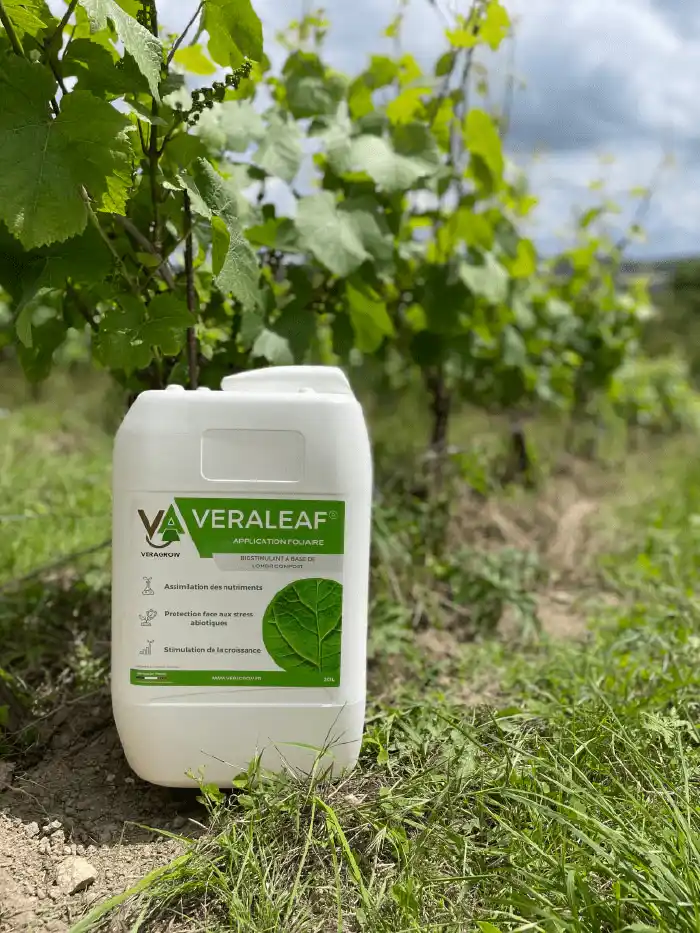
Biostimulation offers an innovative approach for winegrowers seeking to combine resilience, sustainability and quality in the face of climate change and disease pressure. Thanks to natural formulations rich in active compounds such as vermicompost extracts, biostimulants act throughout the vine’s cycle by stimulating its key physiological processes.
1- Support at critical growth stages
Flowering and veraison are decisive stages for wine production. Abiotic stresses (high temperatures, water deficit, wind) can disrupt these essential stages. Foliar biostimulants, applied at strategic moments such as separated flower buds or bunch closure, promote:
- Active photosynthesis: By stimulating nitrogen assimilation, biostimulants ensure smooth flowering and limit losses linked to unfavourable conditions.
- Synthesis of anthocyanins and sugars: During veraison, they improve aromatic quality and the sugar concentration of the grapes, ensuring an optimal profile for the wines.
- Nutrient storage: After harvest, biostimulants help restore carbohydrate reserves in the storage organs (woody and root tissues), preparing the vines for the following year.
2- Strengthening resistance to water and heat stress
As droughts and heatwaves become more frequent, biostimulants improve the vines’ ability to adapt:
- Better water retention: By enriching soil structure, they optimise water retention, reducing the effects of water stress on the vine.
- Stimulating root growth: Deeper roots give vines access to more distant water resources, strengthening their resilience during water deficits.
- Protection against high temperatures: The active compounds limit oxidative damage caused by heat and help the plant regulate its temperature.
3- Activating natural defences
Fungal diseases such as downy mildew, powdery mildew and grey rot, as well as pests, weaken vineyards. Biostimulants act as resistance inducers:
- Activating defence mechanisms: By strengthening the vines’ natural responses, they limit the impact of pathogenic fungi and reduce yield losses.
- Improving microbial biodiversity: By stimulating the activity of beneficial micro-organisms in the soil, they contribute to the ecological balance of the plots and limit the development of pathogens.
4- A sustainable solution for the future of viticulture
By acting on overall soil health, climate resilience and production quality, biostimulation is part of an overall sustainable viticulture strategy. It helps to:
- reduce dependence on chemical inputs,
- preserve vineyard ecosystems,
- secure yields under changing climate conditions,
- improve grape quality.
Biostimulants are therefore a powerful lever to help winegrowers meet today’s challenges while preparing their vineyards for tomorrow.
Discover our foliar biostimulant
Is organic viticulture the future of wine in France?
French viticulture, built on its history and diversity, is now at a decisive turning point. Faced with the challenges of climate change and consumers’ growing expectations for environmentally friendly practices, it is responding with innovation and sustainability. The rise of organic vineyards and of solutions such as biostimulation illustrates this desire to combine tradition and modernity.
As organic wines continue to win over consumers in France and abroad, the transition to sustainable practices appears both a necessity and an opportunity to redefine the future of the sector. By investing in innovative technologies and showcasing its unique terroirs, French viticulture can not only preserve its global leadership but also become a model of resilience and responsibility.