
The agroecological transition: producing more and better with less impact
Agriculture faces a major challenge: feeding a growing world population while reducing its environmental impact so as not to affect ecosystems and the production capacities of future generations. Indeed, the intensification of conventional farming practices made it possible to feed humanity after the Second World War. Nevertheless, the environmental consequences were neglected and, over time, led to soil degradation, an increased dependence on chemical inputs and a loss of biodiversity. Drawing on scientific advances in agronomy, ecology and biotechnology, the agroecological transition now presents itself as the solution that makes it possible to reconcile productivity and respect for ecosystems.
At the European level, regulation and societal expectations are supporting this transition by encouraging the development of biosolutions such as biostimulants. In this context, Veragrow positions itself as a key player in this transition, offering innovative natural solutions based on vermicompost that are effective in multiple soil and climate contexts.
Vermicompost: a concentrate of nutrients and microbial diversity
Earthworms: architects of the soil
Earthworms play an essential role in soil health and fertility. By digging burrows, they promote aeration, drainage and root penetration into the soil. Their biological activity also promotes the decomposition of organic matter, enriching the soil with humus and nutrients assimilable by plants. In addition, their action contributes to the transformation and stabilisation of nutrients, thereby stimulating the soil’s beneficial microbial activity.

Definition and agronomic properties of vermicompost
Vermicompost is an organic soil amendment resulting from the breakdown of organic matter by earthworms and their gut microbiota. Its natural richness in active ingredients gives it multiple, complementary biostimulant properties:
- Humic substances: they improve soil structure, increase water-retention capacity, facilitate nutrient uptake and stimulate plant growth through an auxin-like effect (Rose et al., 2014; Wong et al., 2020).
- Beneficial microorganisms (PGPM): these bacteria and fungi are able to stimulate plant growth in various ways (nitrogen fixation, phosphorus solubilisation, auxin secretion, etc.) (Blouin et al., 2019).
- Phytohormones: they stimulate germination and root growth. (Blouin et al., 2019; Wong et al., 2020; Vidal et al., 2023)
- Phenolic compounds and antioxidants: they help plants better withstand abiotic stresses such as drought and temperature variations (Aremu et al., 2015).
Productive and sustainable agriculture with biostimulants
Sustainable agriculture aims to maintain agricultural productivity over the long term by optimising the use of natural resources while minimising negative impacts on the environment. It is based on practices that promote biodiversity, soil improvement and the reduction of chemical inputs.
Biostimulants play a central role in this approach. Unlike fertilisers, they do not directly provide nutrients to plants, but act on their metabolism and on the bio-physicochemical properties of soils to increase nutrient bioavailability (du Jardin, 2015; Geelen and Xu, 2020).
Vermicompost-based biostimulants
Biostimulants derived from vermicompost act on three fundamental levers:
- Improving access to nutrients: Humic substances and microorganisms promote nutrient uptake.
- Strengthening stress tolerance: The presence of phenolic compounds, antioxidants and PGPM allows plants to better withstand climate variations and water stress.
- Soil regeneration: Our biostimulants promote increased microbiological activity, optimising soil fertility and health.

Understanding better to innovate
Innovation rests on a detailed understanding of how vermicompost and biostimulants work. Veragrow collaborates with renowned research institutions such as:
- the UniLaSalle agronomy engineering school and its research unit Aghyle,
- the University of Rouen-Normandie and the GlycoMEV laboratory
- INRAE and the Institut Agro Dijon and its Agroecology UMR.
These collaborations make it possible to deepen knowledge of vermicompost, the impact of our biostimulants on crops, plant biology and soil-plant-microorganism interactions.

Specialising for greater effectiveness
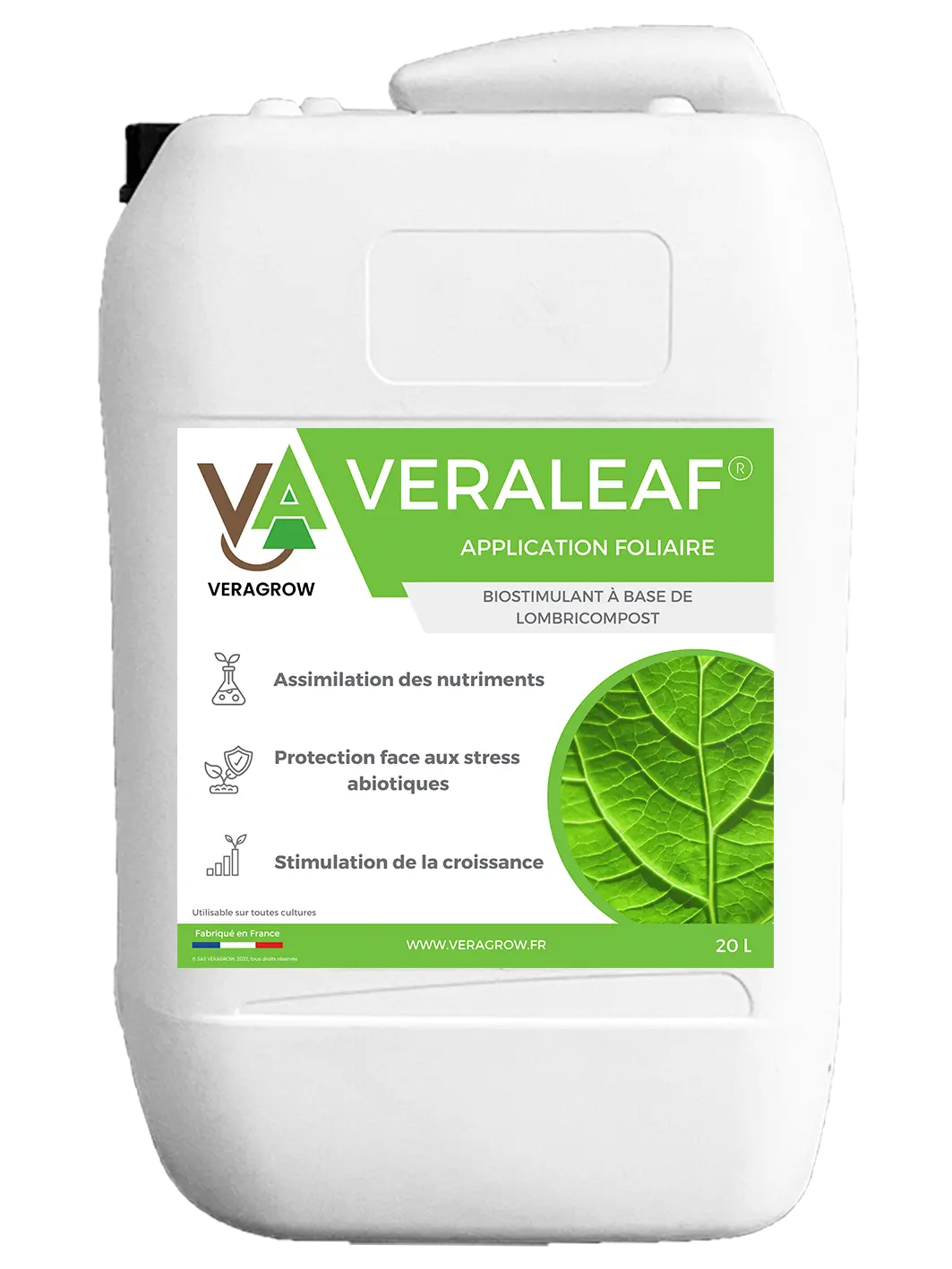
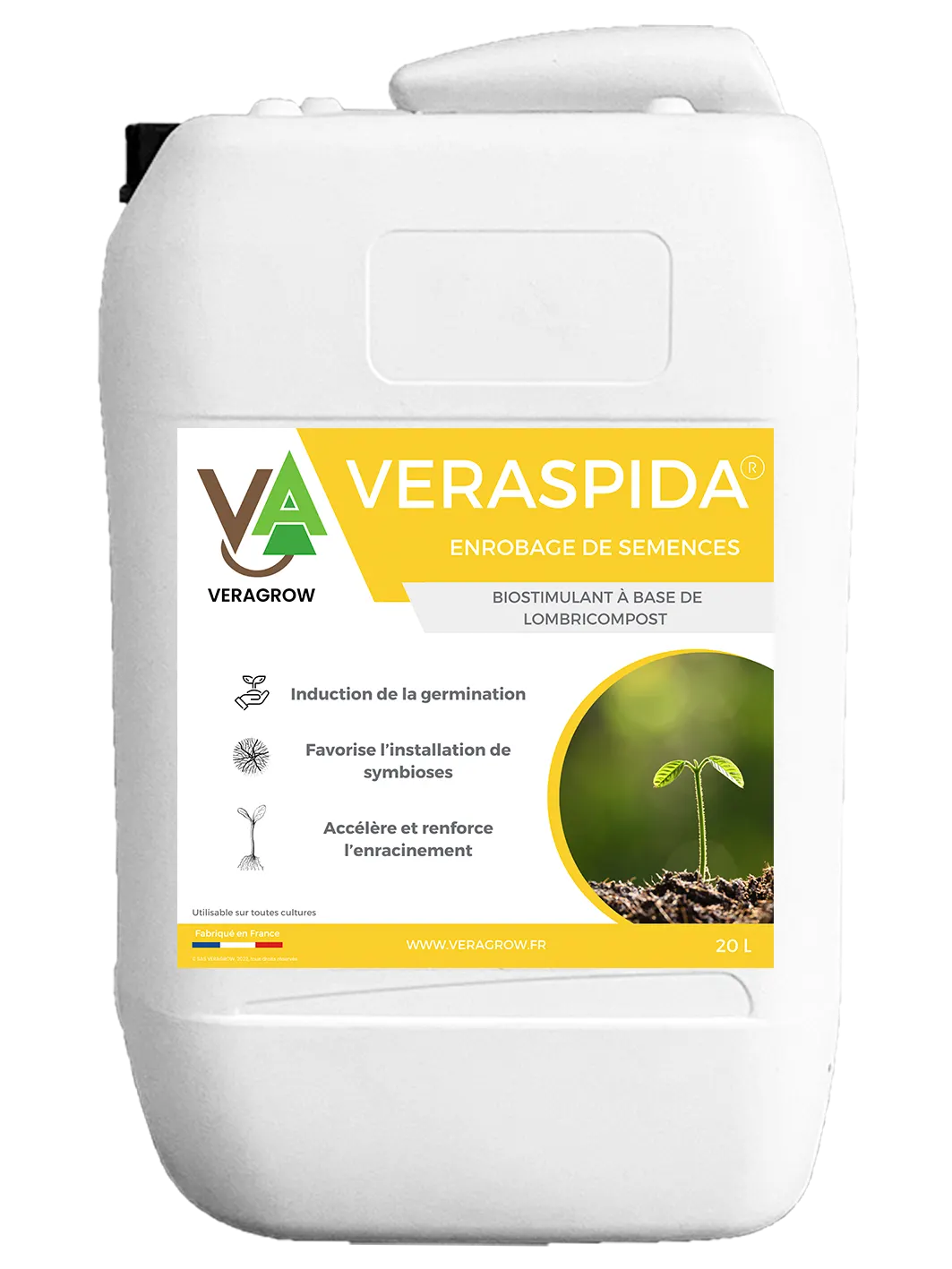
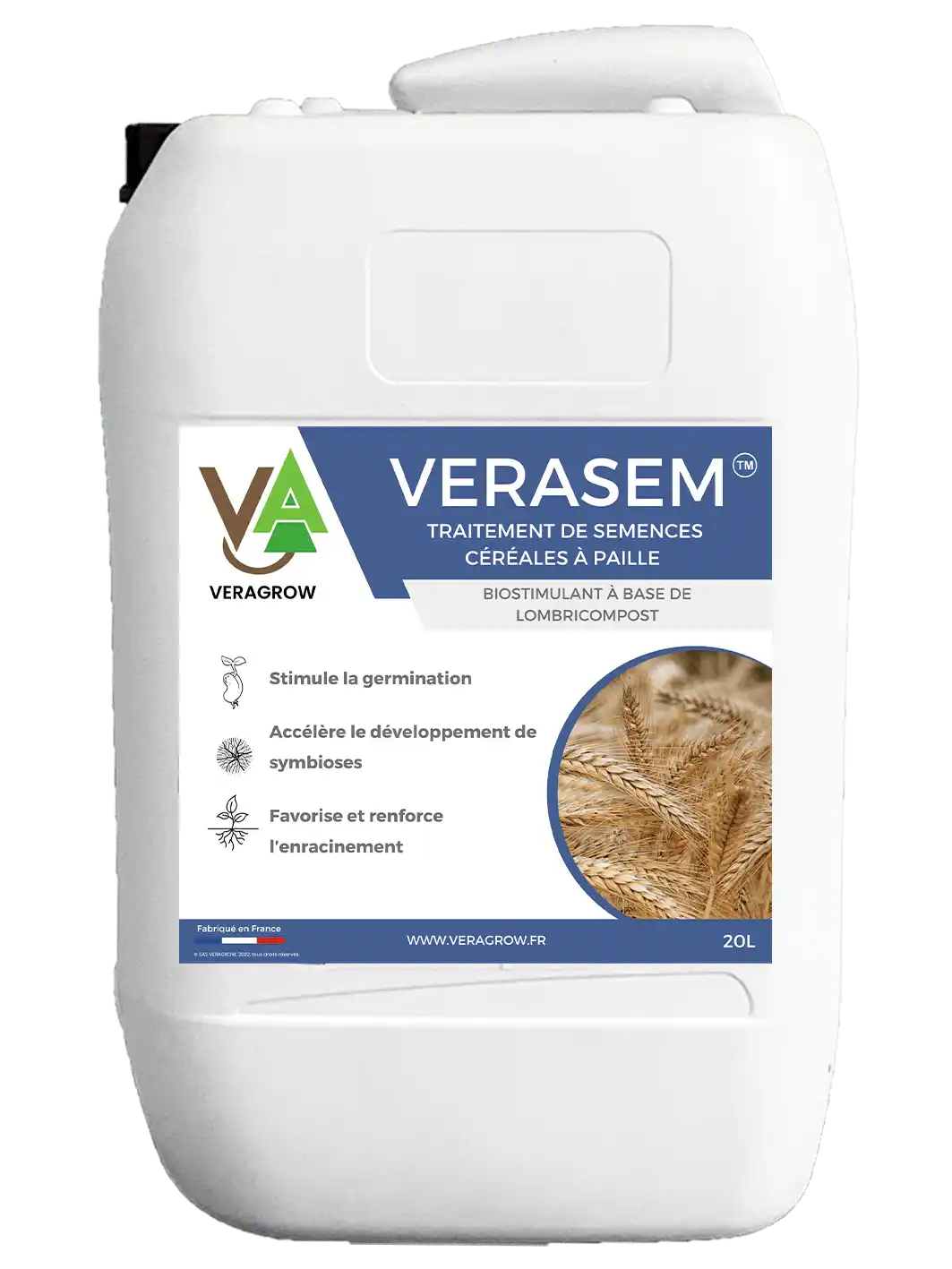
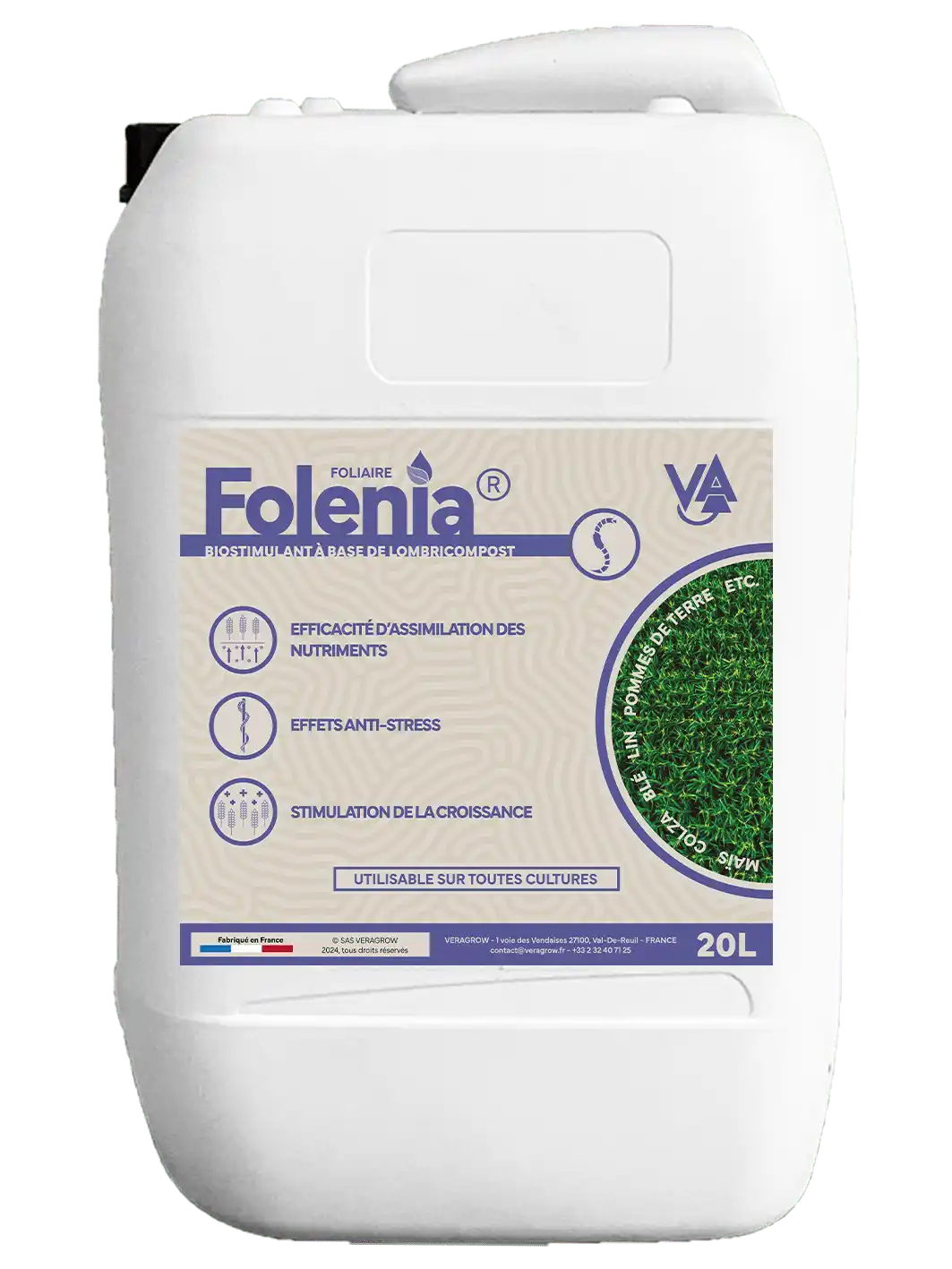
Crops do not all have the same needs during their life cycle. Building on its existing range, currently on the market, Veragrow now seeks to go further by designing biostimulants dedicated to specific crops. These future products will further increase effectiveness in the field and, ultimately, agricultural yields.
Veragrow, a player in productive and sustainable agriculture
In the face of climate and environmental challenges, the agroecological transition appears to be a necessity. Our vermicompost-based biostimulants are a significant building block in constructing this transition. By optimising plant nutrition, strengthening their resilience and regenerating soils, these solutions contribute to a more productive and environmentally friendly agriculture.
Finally, research efforts continue in order to address more crops, to respond to the new challenges faced by farmers, and to maximise and sustain the effectiveness of our biosolutions in the field. By continuing its innovation efforts, the company thus offers ever more effective solutions to support the evolution of agriculture towards a more sustainable and resilient model.


References:
Aremu, A. O., Stirk, W. A., Kulkarni, M. G., Tarkowská, D., Turečková, V., Gruz, J., et al. (2015). Evidence of phytohormones and phenolic acids variability in garden-waste-derived vermicompost leachate, a well-known plant growth stimulant. Plant Growth Regul. 75, 483–492. doi: 10.1007/s10725-014-0011-0
Blouin, M., Barrere, J., Meyer, N., Lartigue, S., Barot, S., and Mathieu, J. (2019). Vermicompost significantly affects plant growth. A meta-analysis. Agron. Sustain. Dev. 39, 34. doi: 10.1007/s13593-019-0579-x
du Jardin, P. (2015). Plant biostimulants: Definition, concept, main categories and regulation. Sci. Hortic. 196, 3–14. doi: 10.1016/j.scienta.2015.09.021
Geelen, D., and Xu, L. (2020). The Chemical Biology of Plant Biostimulants. 311.
Rose, M. T., Patti, A. F., Little, K. R., Brown, A. L., Jackson, W. R., and Cavagnaro, T. R. (2014). “A Meta-Analysis and Review of Plant-Growth Response to Humic Substances,” in Advances in Agronomy, (Elsevier), 37–89. doi: 10.1016/B978-0-12-800138-7.00002-4
Vidal, A., Blouin, M., Lubbers, I., Capowiez, Y., Sanchez-Hernandez, J. C., Calogiuri, T., et al. (2023). “The role of earthworms in agronomy: Consensus, novel insights and remaining challenges,” in Advances in Agronomy, (Elsevier), S0065211323000561. doi: 10.1016/bs.agron.2023.05.001
Wong, W. S., Zhong 钟宏韬, H.-T., Cross, A., and Yong, J. (2020). “Plant Biostimulants in Vermicomposts: Characteristics and Plausible Mechanisms,” 155–180.